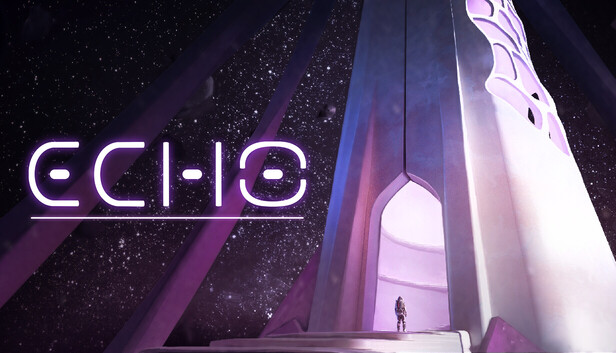
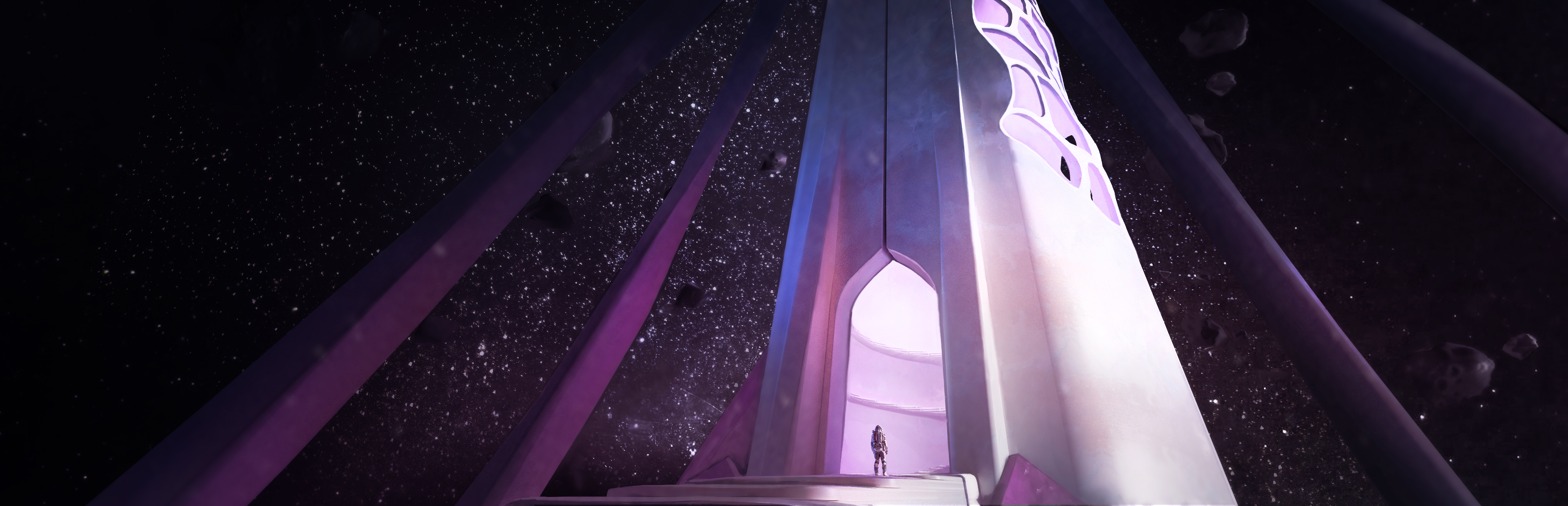
ECH8 is a first-person sci-fi narrative puzzle game centered on exploration, language, and atmosphere. Set aboard a damaged futuristic ship, the experience has players wake up in isolation, work alongside the digital companion PAI, decode alien glyphs, interact with ship systems, and gradually piece together a larger mystery connecting two worlds. ECH8 was developed by our student studio: MOON@NOON Games.
Game Details
My Roles
Lead QA Analyst, Gameplay Engineer, VFX Engineer
Genre
First-Person Narrative Puzzle Game
Platform
PC
Development Tools
Unreal Engine 5, C++
Key Features
Atmospheric sci-fi exploration aboard a damaged spacecraft
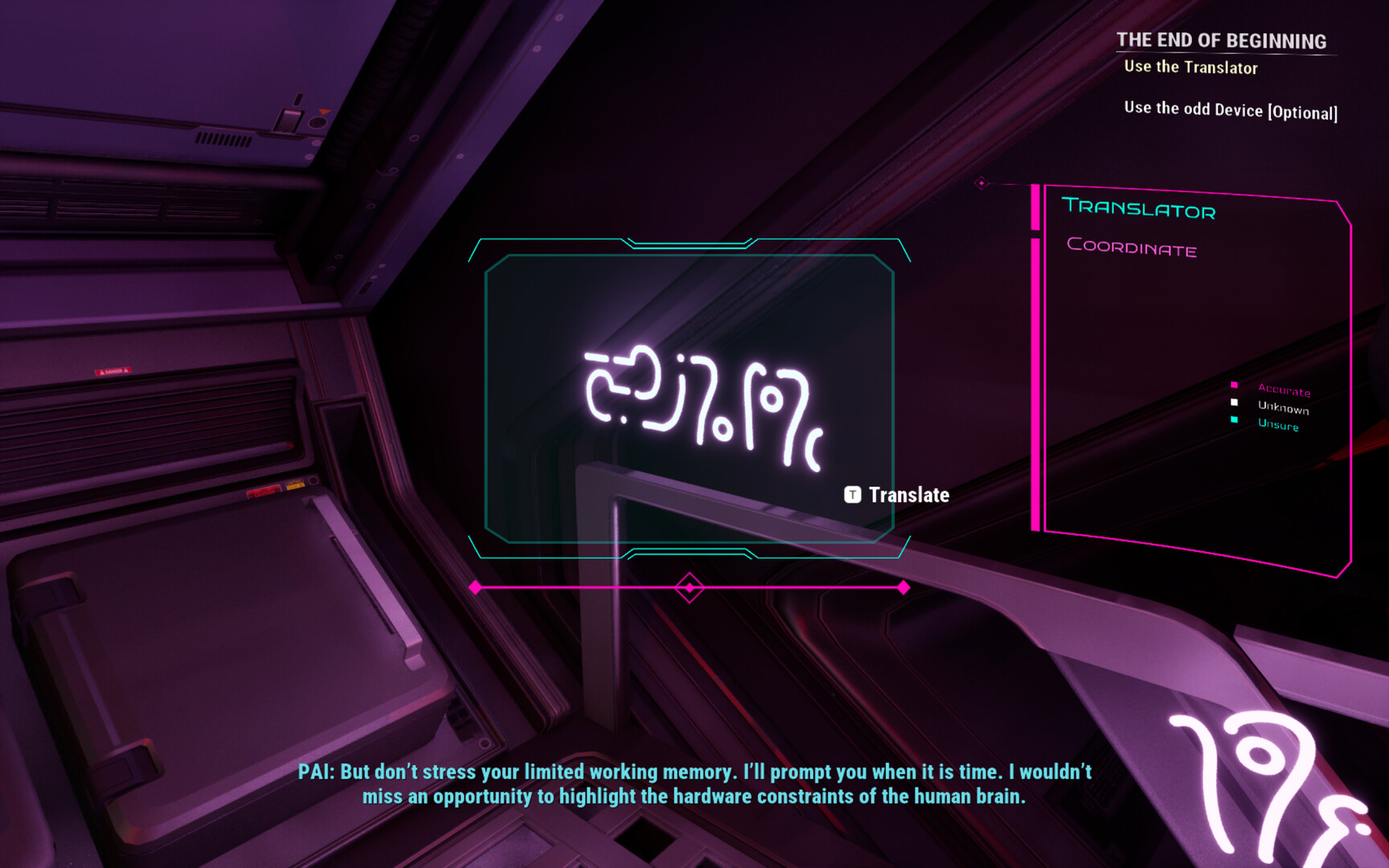
Alien-glyph translation mechanics supported by a custom translator UI
In-world terminals and environmental interactions that support puzzle progression
Companion dialogue that helps carry both tone and player guidance
Cohesive visual identity strong enough for public showcase and promotional materials
Teammates
Alex Li (Artist and Level Designer)
Anlan Jiang (UX Lead and Technical Designer)
Beryl Baldwin (Producer and Level Designer)
Brendan Engebretson (Producer)
Cameron VanderTuig (Audio Engineer and Programmer)
Georgia Jiang (Narrative Lead)
Will Zhang (UI and Gameplay Engineer)
Xinyu Mao (Creative Director)
Visuals & Media
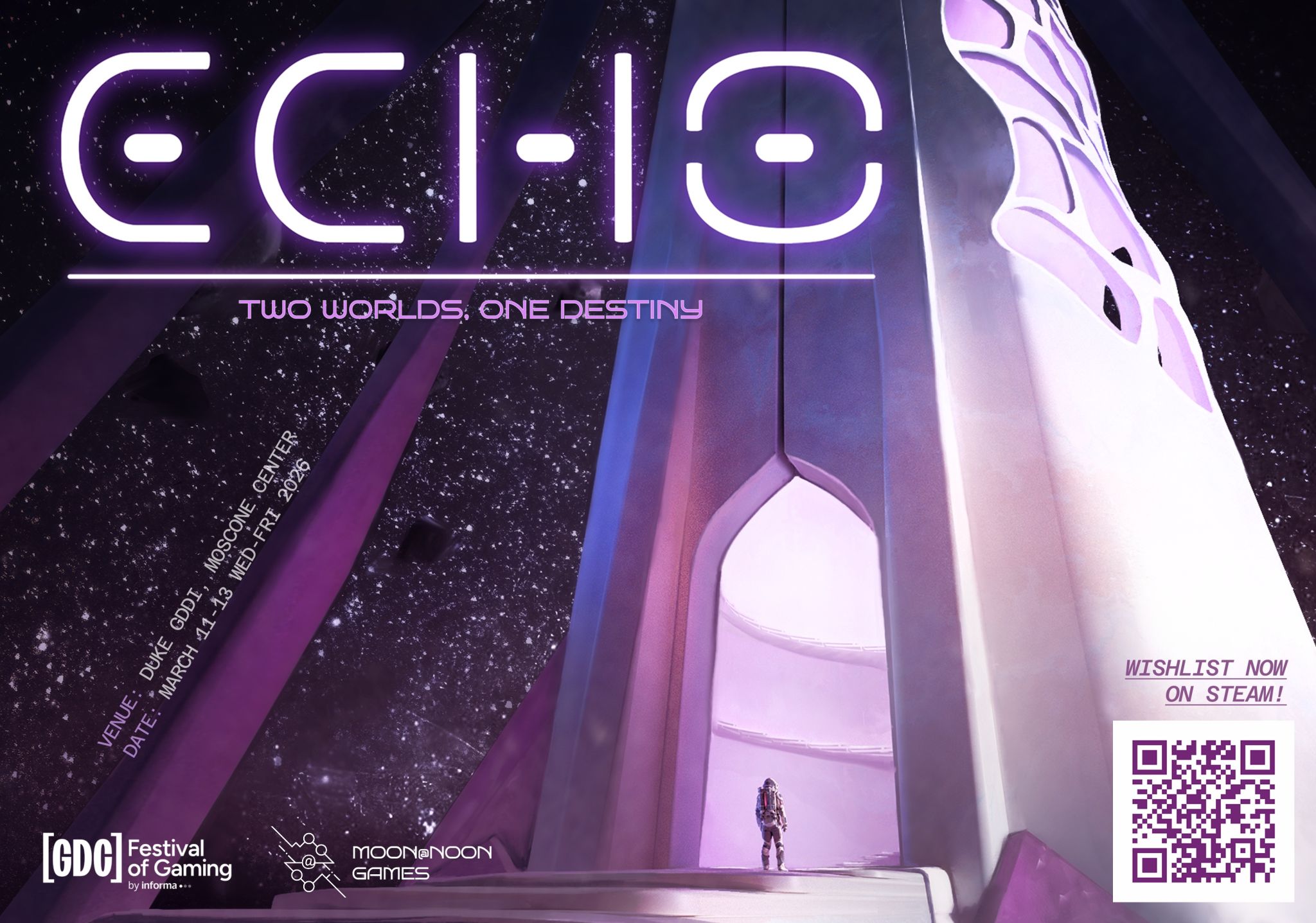
Key Art
Cockpit
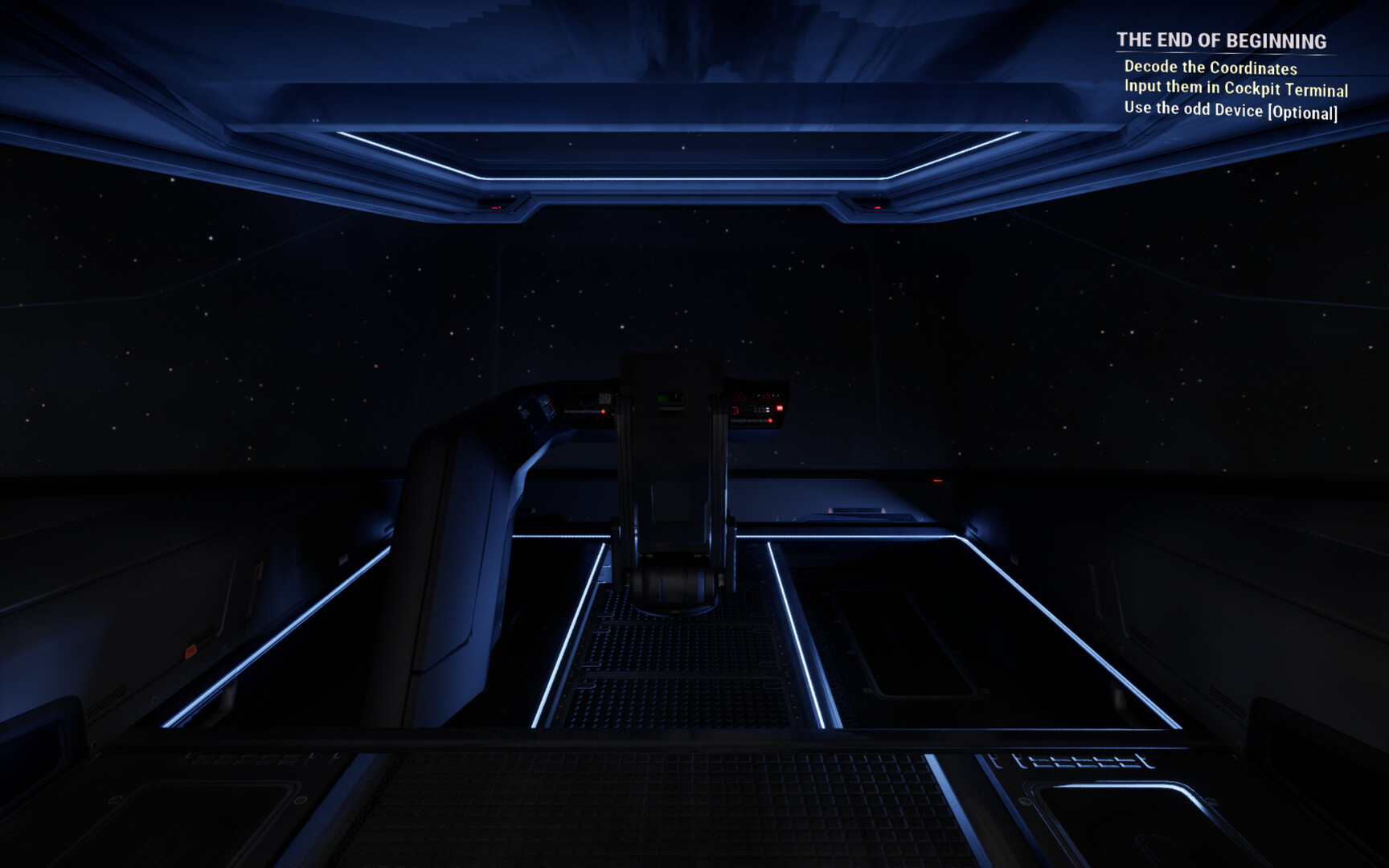
The opening cockpit space establishes the game's scale, tone, and isolation almost immediately.
Ship Terminal
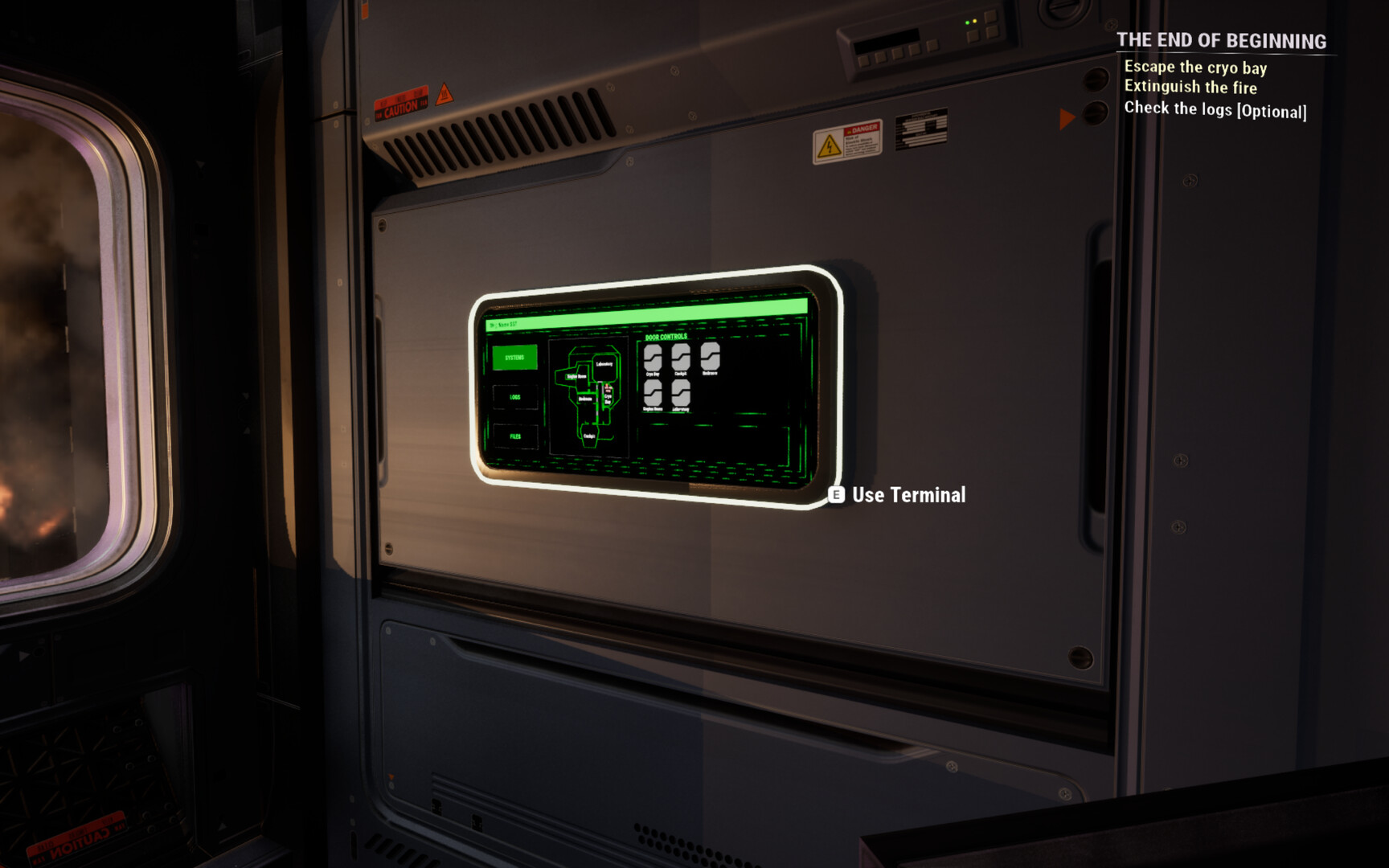
Environmental interaction is grounded through in-world terminals and objective-driven ship systems.
Translator UI
One of the core hooks is translating alien writing directly in the world rather than treating the puzzle layer as something separate from the environment.
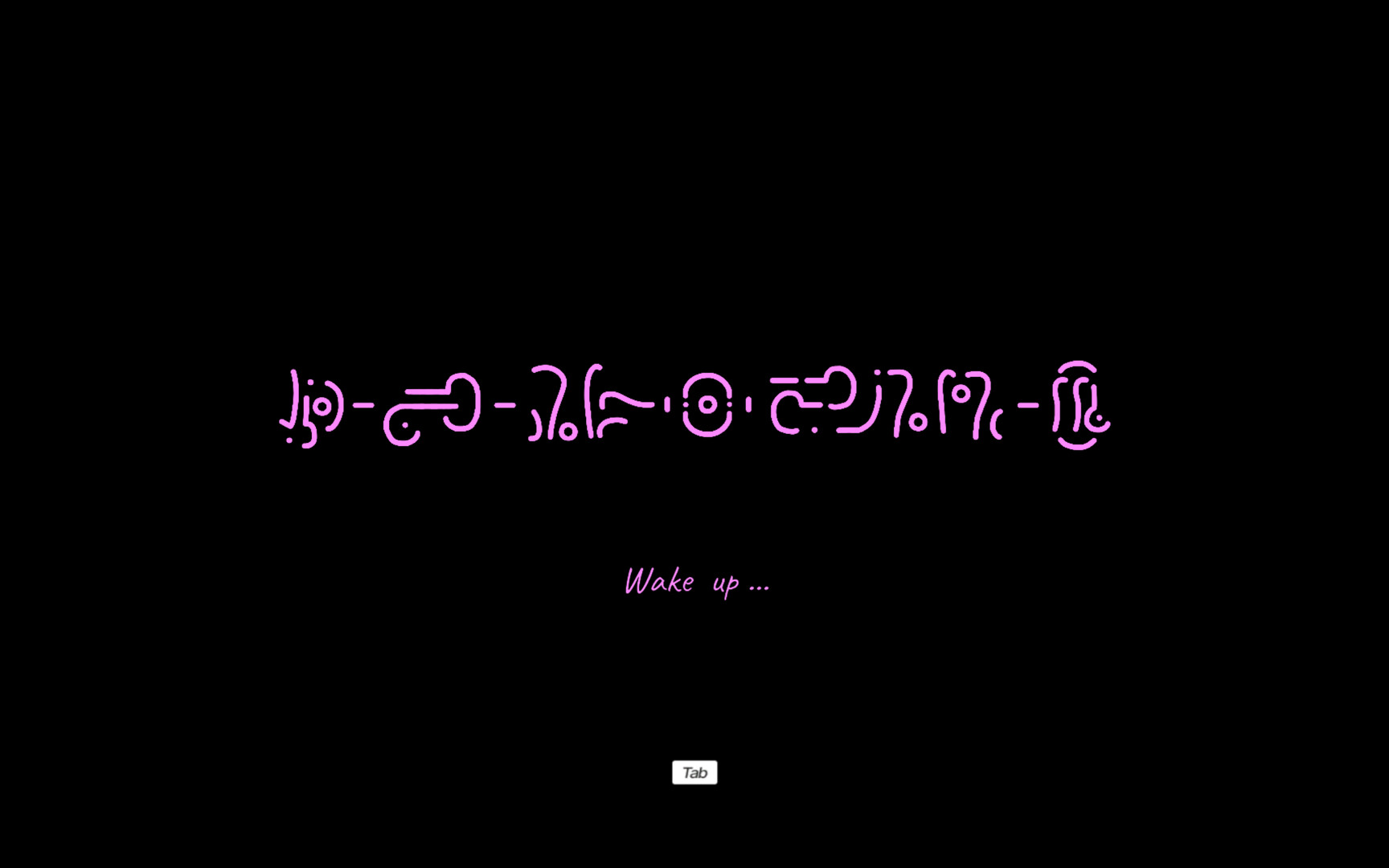
Alien Glyph Language
The glyph system gives the project a memorable visual language and reinforces the mystery at the heart of the experience.
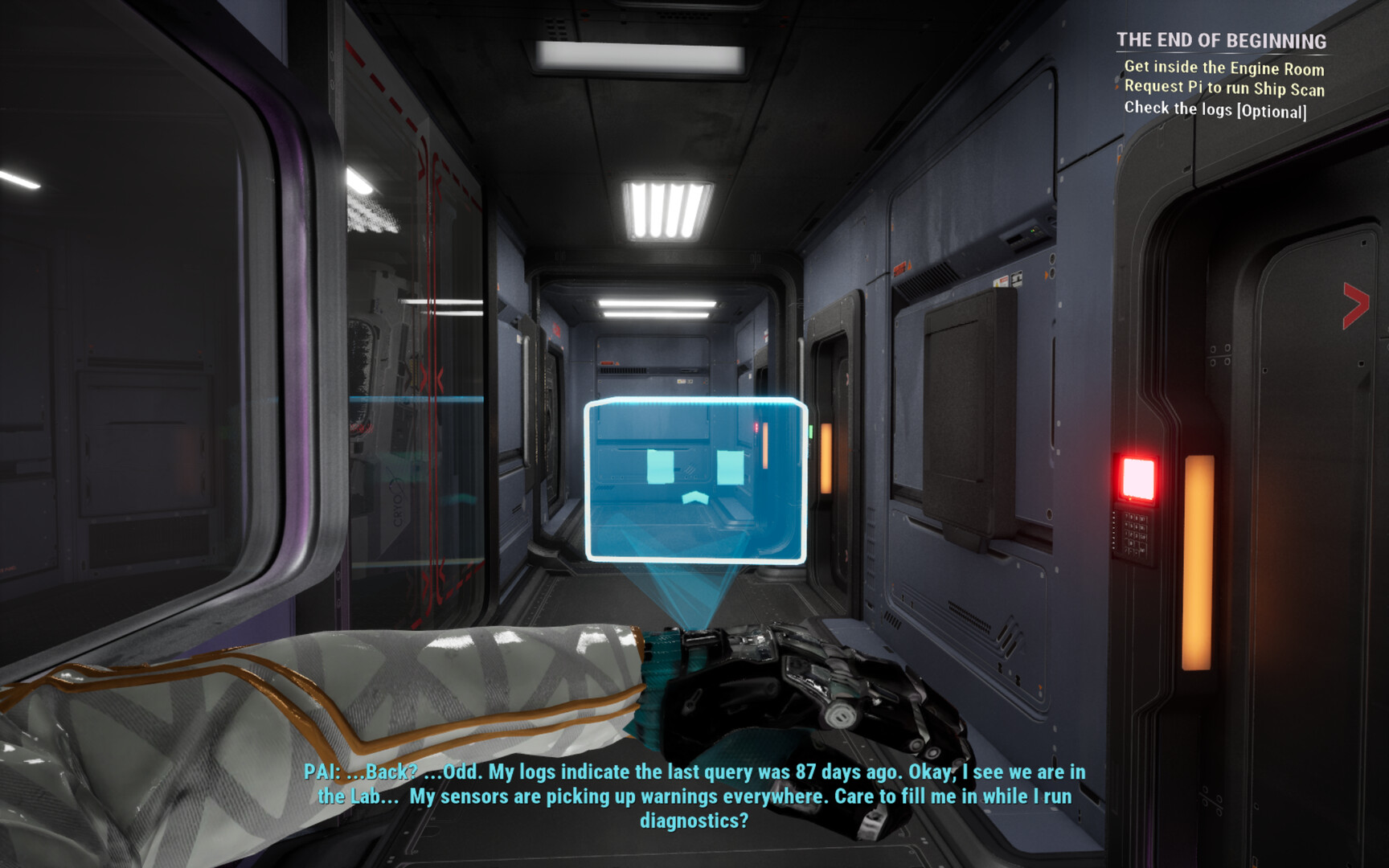
PAI Companion
PAI adds personality and guidance without breaking the lonely, atmospheric tone of the ship.
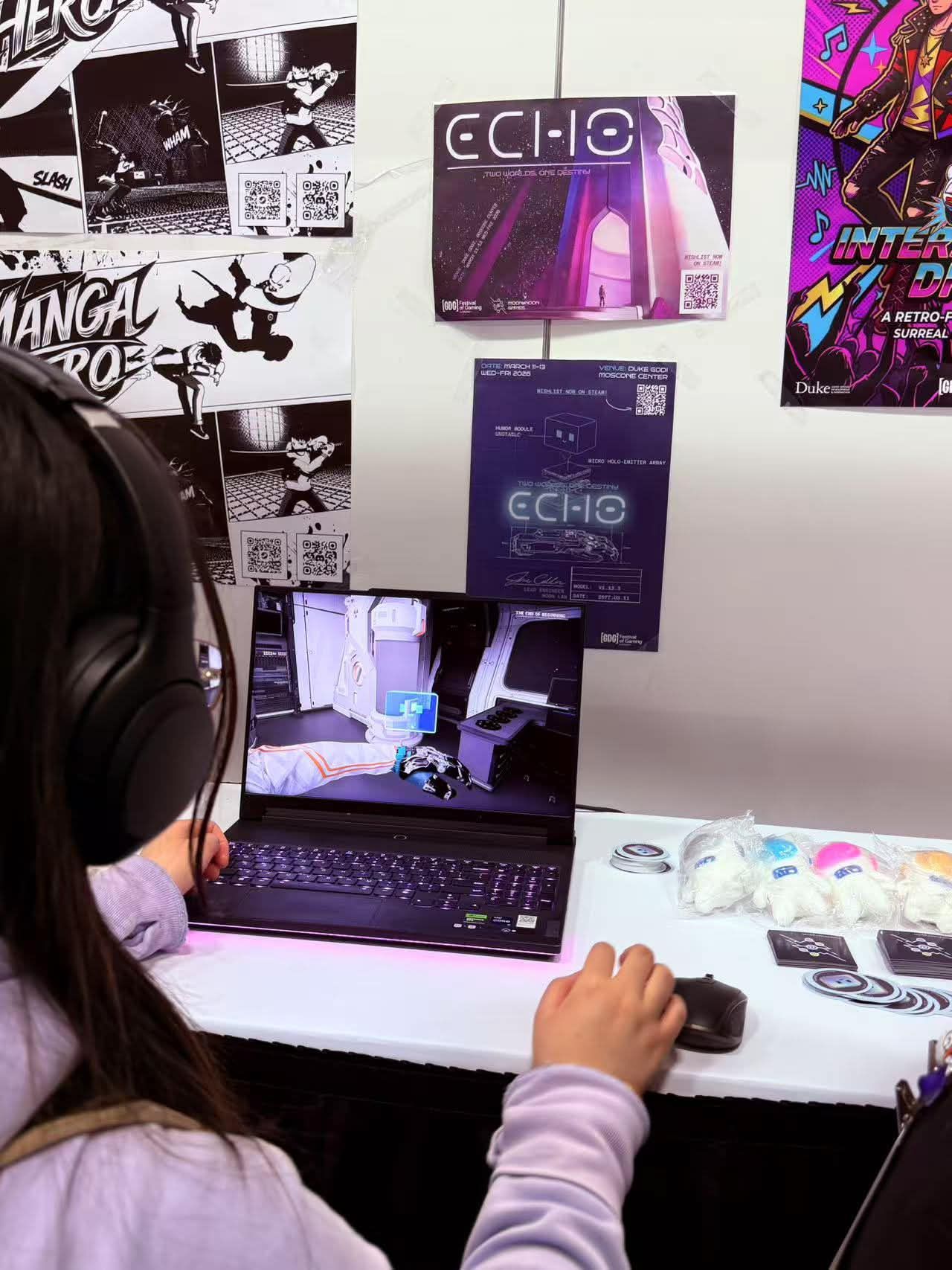
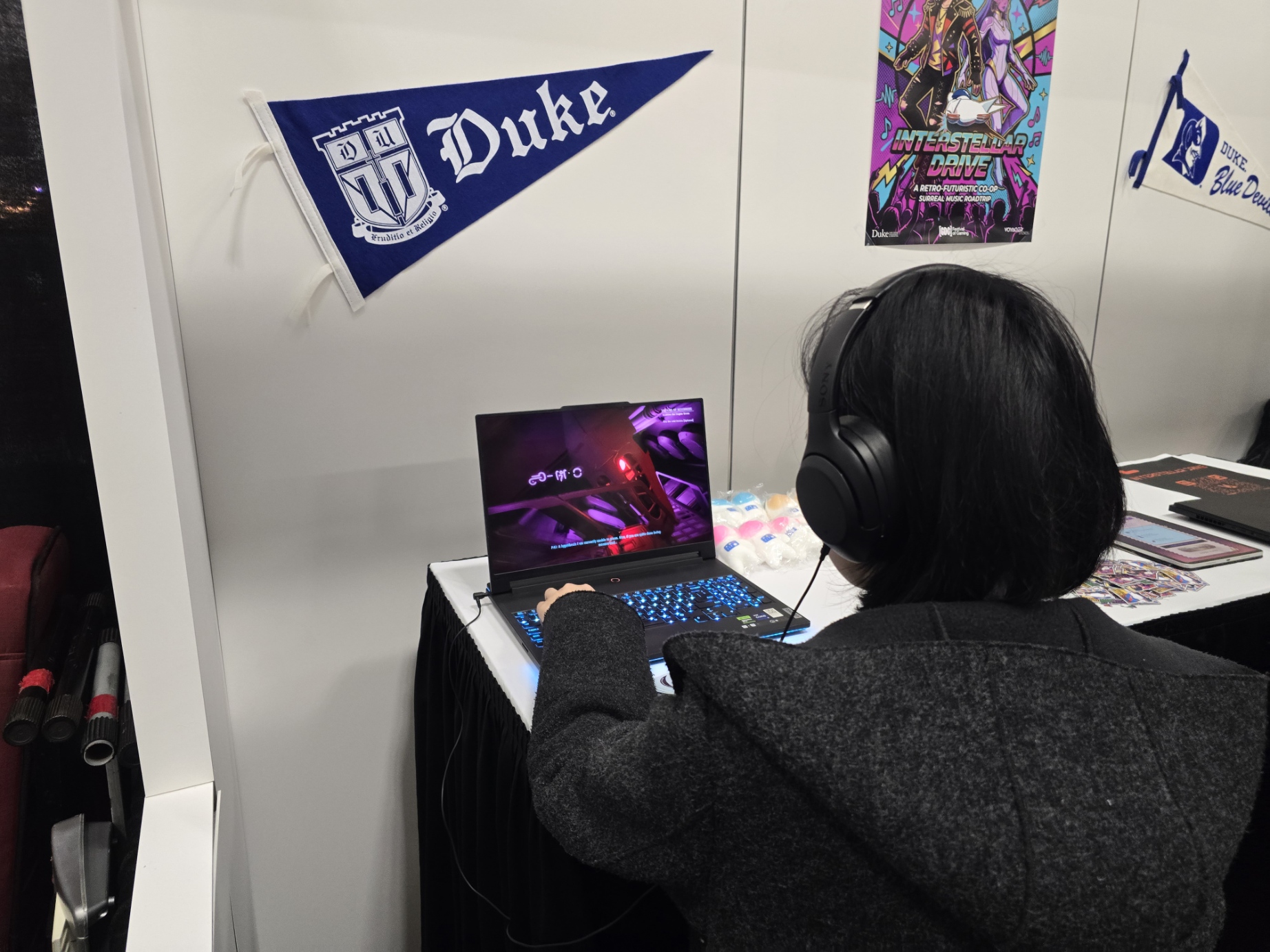
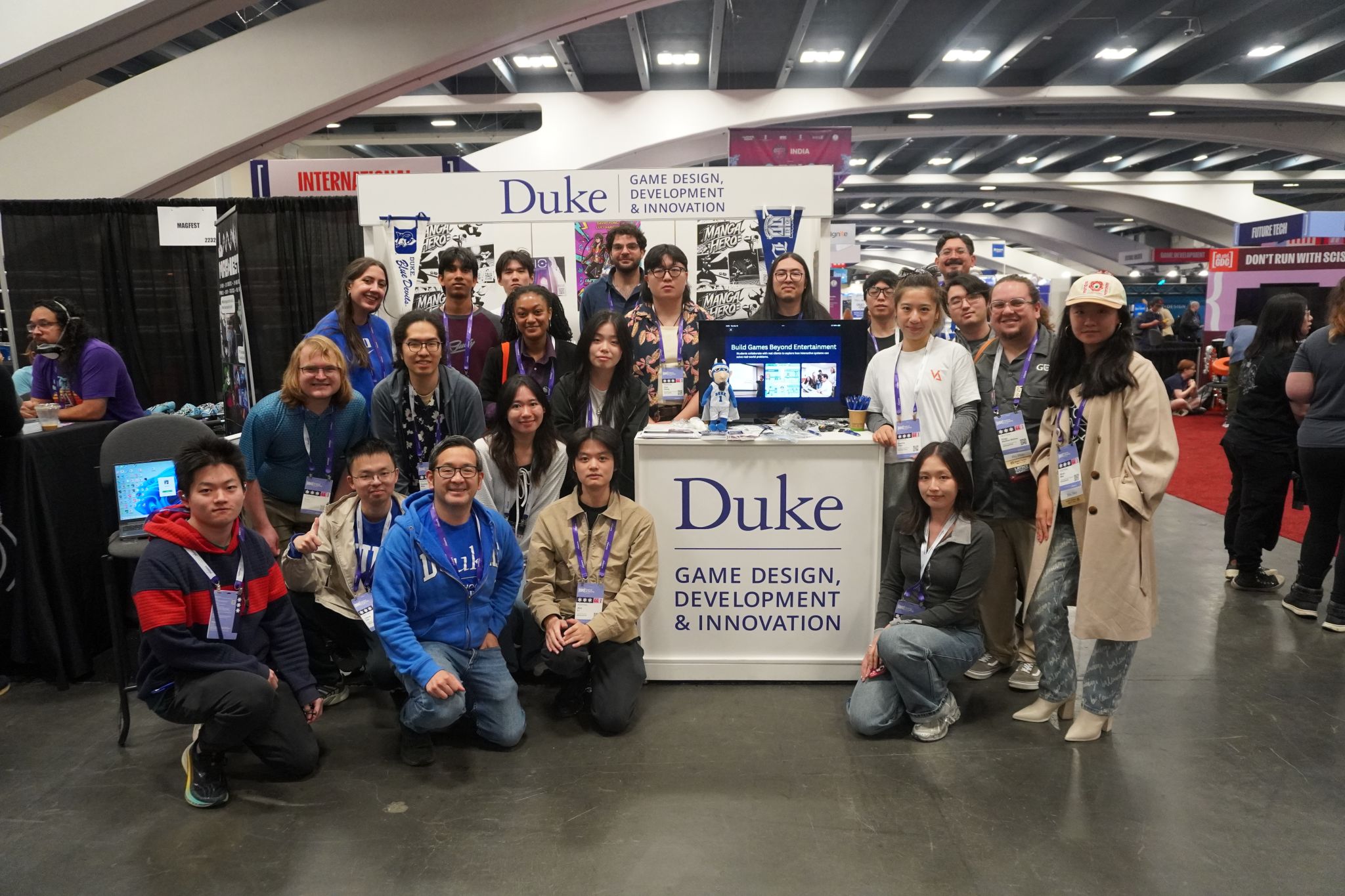
GDC Festival of Gaming Showcase
ECH8 was exhibited through Duke GDDI at the GDC Festival of Gaming in March 2026.
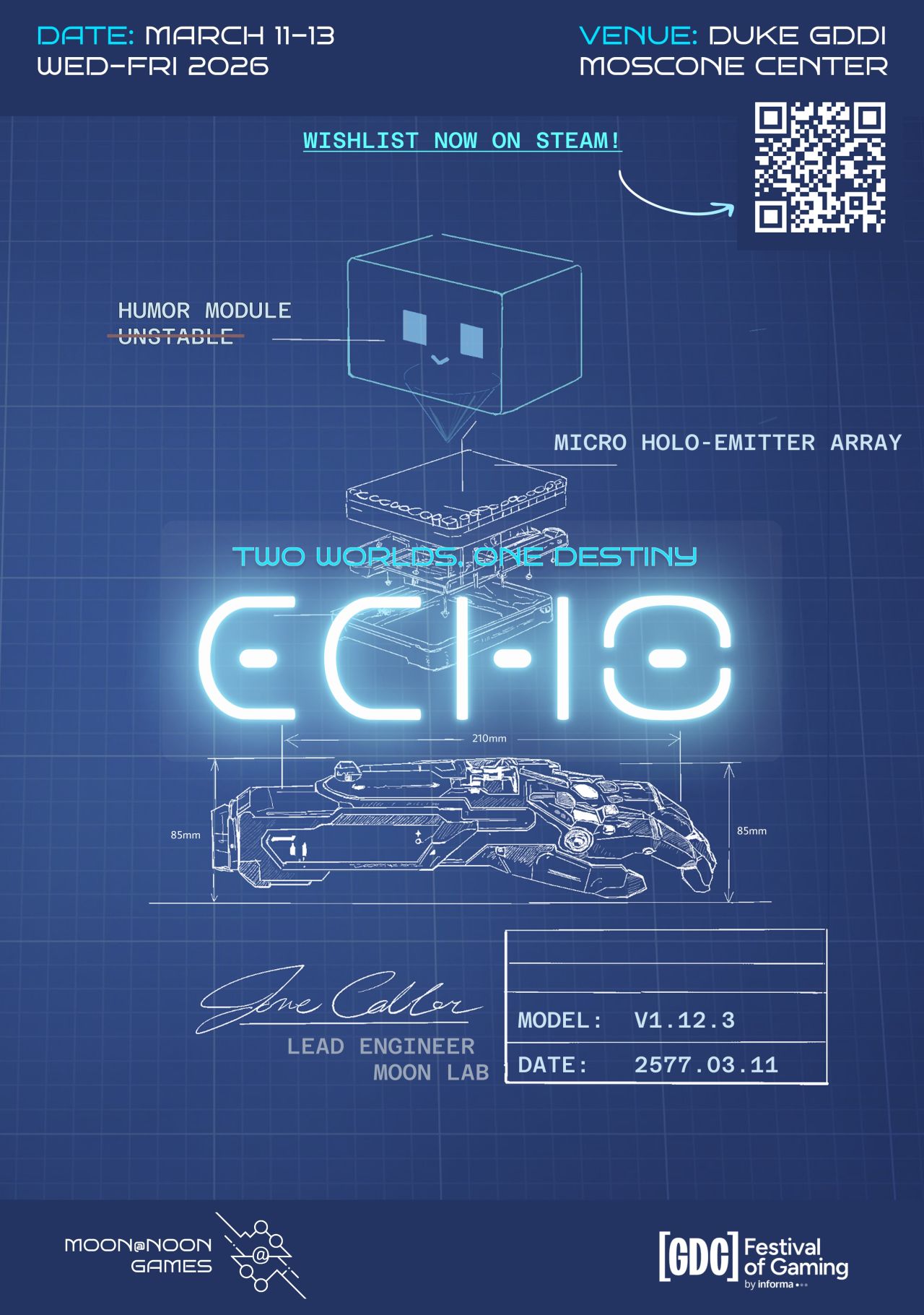
Promotional Posters
MOON@NOON Interview @ Oak City Indie Games
Development Process
ECH8 feels like the kind of project where presentation, UI clarity, and worldbuilding all had to mature together. The screenshots show a clear emphasis on making every system feel diegetic: objectives live in the player's view, terminals are part of the environment, and even the language puzzle work is framed as a tool the player physically uses in the world.
That approach is especially important in first-person puzzle games. If the player cannot quickly understand what is interactive, what is narrative, and what is puzzle information, the atmosphere starts to work against the game. ECH8 avoids that by keeping its interface stylish but legible and by building puzzle interactions directly into the fiction of the ship.
Key Takeaways
QA is design support, not just bug hunting - Testing a narrative puzzle game means checking more than whether systems technically work. It also means verifying pacing, readability, onboarding, and whether players are interpreting clues the way the team intended.
Atmosphere works best when it supports gameplay - ECH8's strongest images are not just pretty sci-fi shots; they also teach the player where they are, what matters, and what they can interact with.
UI can be a worldbuilding tool - The translator and terminal screens do more than communicate mechanics. They help define the culture, technology, and tone of the setting.
Public showcasing sharpens a project quickly - Having a game ready for a space like the GDC Festival of Gaming pushes a team to think not only about polish, but also about how immediately readable and memorable the experience is for new players.